
Facial Aesthetics
Brow Lift vs Blepharoplasty: Key Differences Explained
The key difference between blepharoplasty and a brow lift is the area being treated. Upper blepharoplasty addresses tissue within the upper eyelid, while a brow lift repositions the eyebrow and adjusts supporting tissues across the forehead. This anatomical distinction is central to any brow lift vs blepharoplasty comparison because the procedures are designed to address different concerns.
The procedures also differ in how they are performed, where the incisions are placed and what recovery involves. In some cases, upper blepharoplasty and a brow lift may be combined when separate changes to the eyelid and brow are considered appropriate.
Blepharoplasty vs Brow Lift: A Direct Comparison
Upper blepharoplasty and brow-lift surgery both involve the upper face, but their purposes and surgical approaches differ. The following comparisons explain what each procedure addresses.
Treatment Areas
Upper blepharoplasty
: This procedure focuses on the upper eyelid. It treats the skin and, where clinically appropriate, selected fat or muscle within the eyelid itself. The upper-eyelid crease may also be recreated or refined as part of the operation.
Brow lift: This procedure treats the eyebrow and forehead. It adjusts the tissues that support the brow and repositions the eyebrow in relation to the eyes and the rest of the upper face.
Concerns Addressed
Upper blepharoplasty
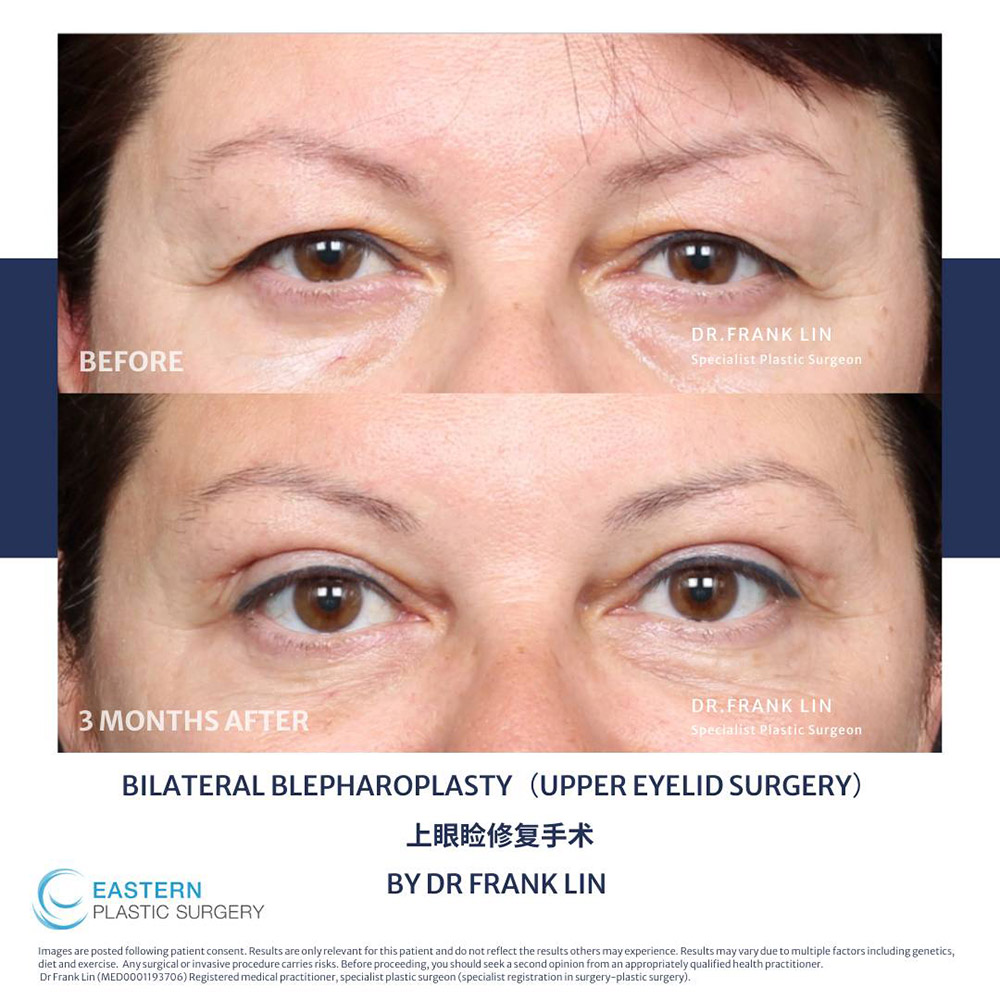
: Surgery may be considered for excess upper-eyelid skin, fullness from selected fat deposits, or changes to the eyelid crease. In more pronounced cases, excess skin can extend towards the eyelashes and may affect the visual field.
Brow lift: Surgery may be considered when the eyebrow has descended or sits lower than intended. Brow descent can contribute to tissue gathering above the eyes, while changes across the forehead may also affect the position and shape of the eyebrows.
Effect on Upper-Eyelid Hooding
Upper blepharoplasty
: The procedure directly addresses hooding caused by excess skin within the upper eyelid. It is not designed to raise the eyebrow or reposition the tissues of the forehead.
Brow lift: Repositioning a descended brow can reduce hooding caused by tissue sitting lower above the eye. It does not directly remove excess skin from the upper eyelid, so some eyelid hooding may remain if both areas are contributing.
Surgical Technique
Upper blepharoplasty
: The surgeon carefully measures the amount of eyelid skin to be removed. Selected fat or a small amount of muscle may also be adjusted, depending on the eyelid anatomy and the intended surgical change.
Brow lift: The tissues supporting the forehead and eyebrows are released and repositioned. The operation may use an endoscopic or traditional technique, with the approach chosen based on the brow position, forehead anatomy, and the degree of correction required.
Incisions and Scarring
Upper blepharoplasty
: The incision is generally placed within the natural crease of the upper eyelid. This provides access to the eyelid tissues and positions the resulting scar within an existing fold.
Brow lift: Incisions are positioned higher on the face, usually within or around the hairline. Their location and length depend on the technique used. Scars from either procedure change as they mature, and their eventual appearance varies between patients.
Recovery
Upper blepharoplasty
: Swelling and bruising are concentrated around the eyelids. Sutures are generally removed during the first week, with the early signs of surgery settling gradually over the following weeks. The scars and eyelid crease continue to change for several months.
Brow lift: Swelling can involve the forehead and the area around the upper eyes. Temporary tightness, numbness or other changes in sensation may occur around the forehead and scalp. Recovery depends on the brow-lift technique and the extent of the operation.
Can Upper Blepharoplasty and a Brow Lift Be Combined?
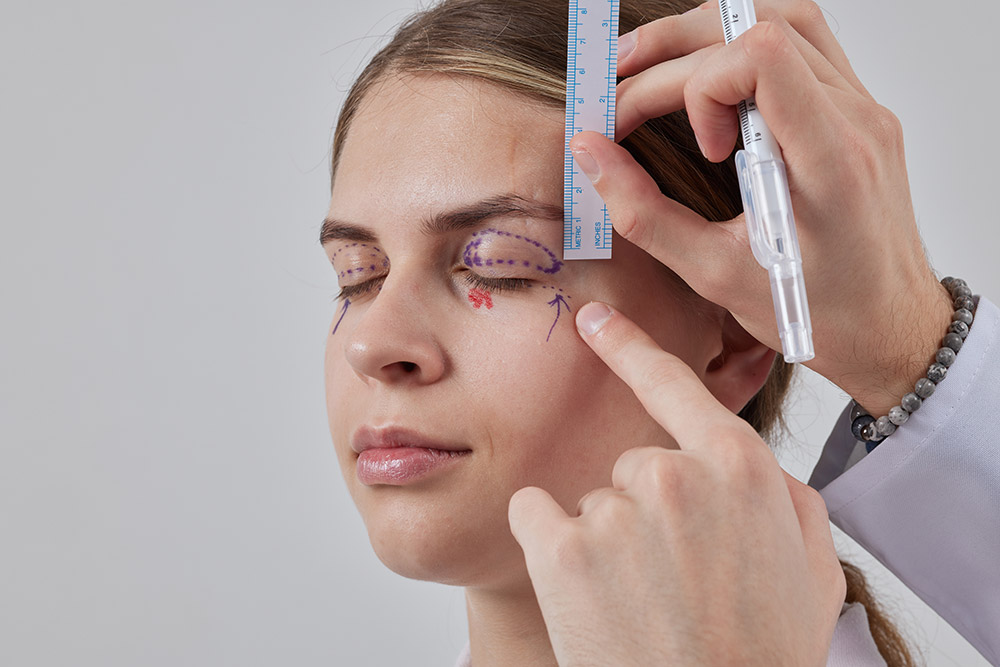
Upper blepharoplasty and a brow lift may be combined when changes to both the eyelid and brow need to be addressed. The brow lift repositions the eyebrow, while blepharoplasty removes or adjusts selected tissue remaining within the upper eyelid.
The two procedures must be planned together. Repositioning the brow can change the amount of eyelid skin present, which influences how much tissue should be removed during blepharoplasty. Combination surgery also involves a broader recovery and is not appropriate for every patient.
Choosing Between Upper Blepharoplasty and a Brow Lift
Choosing the procedure requires an assessment of the eyelid skin, eyelid crease, brow position and forehead anatomy. The way the eyelid opens must also be examined, as apparent drooping can have multiple anatomical causes.
At Eastern Plastic Surgery, we assess each area separately before explaining which procedure may address the concern. The recommendation takes into account the changes sought, incision placement, recovery requirements, possible complications, and the limitations of surgery.
Frequently Asked Questions
Is upper blepharoplasty the same as an eyelid lift?
Eyelid lift is a general term for upper blepharoplasty, though it is not a precise medical term. Upper blepharoplasty removes or adjusts selected tissue within the eyelid. It does not necessarily raise the eyebrow or correct every cause of a drooping upper eyelid.
Can a brow lift remove excess upper-eyelid skin?
A brow lift repositions the eyebrow and forehead tissues rather than removing skin directly from the upper eyelid. Raising a descended brow may reduce some apparent hooding, but upper blepharoplasty may still be considered if excess eyelid skin remains.
Does upper blepharoplasty raise eyebrows?
Upper blepharoplasty is not designed to reposition the eyebrows. It changes the eyelid tissue below the brow. If brow descent is contributing to the concern, a brow lift or another approach may need to be considered separately.
Can a brow lift improve hooded upper eyelids?
A brow lift may reduce hooding when a lowered eyebrow is bringing tissue down towards the upper eyelid. It does not remove excess eyelid skin, so the likely change depends on whether the hooding comes from the brow, the eyelid, or both.
Does a brow lift address forehead lines?
A brow lift adjusts tissues across the forehead and may reduce some lines associated with tissue descent and brow position. It does not stop the natural ageing process, and the degree of change varies between patients.
Can upper blepharoplasty and a brow lift be performed together?
The procedures can be combined when separate changes to the upper eyelid and brow are considered appropriate. A combined operation creates additional planning and recovery considerations, so suitability must be assessed individually.
How does ptosis differ from excess upper-eyelid skin?
Ptosis occurs when the mechanism responsible for raising the upper eyelid is weakened or not functioning normally. Excess eyelid skin can hang over the crease without affecting that mechanism. Ptosis may require a separate corrective procedure.
How does recovery from blepharoplasty compare with a brow lift?
Upper blepharoplasty recovery is focused on the eyelids, while brow-lift recovery involves the forehead, eyebrows, and sometimes the scalp. Both can cause swelling and bruising, but the location and duration depend on the technique and extent of surgery.
What is the difference between upper and lower blepharoplasty?
Upper blepharoplasty addresses excess skin, selected fat and other concerns within the upper eyelid. Lower blepharoplasty treats the lower eyelid and may address under-eye bags, loose skin, displaced fat or the relationship between the lower eyelid and midface.
What risks should be considered with blepharoplasty and brow-lift surgery?
Both procedures carry risks such as bleeding, infection, scarring, asymmetry, altered sensation and the possibility of revision surgery. Upper blepharoplasty also carries risks involving eyelid closure, dryness and vision, while brow-lift surgery can affect brow symmetry, forehead sensation and the hairline.